Choosing between inshore and nearshore fishing in the waters around Tampa depends on your goals, skill level, and the kind of day you want on the water. Inshore fishing stays within protected waters like bays and flats, while nearshore trips move slightly offshore into deeper waters. Each offers a different pace, species, and level of challenge.
We guide anglers through both experiences every week, and the right choice often comes down to what excites you most. Some want steady action and variety, while others want bigger fights and open water. This guide breaks down exactly what you can expect so you can choose with confidence.
Inshore vs Nearshore Fishing: What Should You Expect from Each?
Inshore and nearshore fishing in the Tampa Bay area differ in water depth, fish species, and overall experience. Inshore fishing stays in shallow, protected waters, while nearshore fishing moves just outside the bay into deeper coastal areas. Choosing between them depends on the kind of action and challenge you prefer.
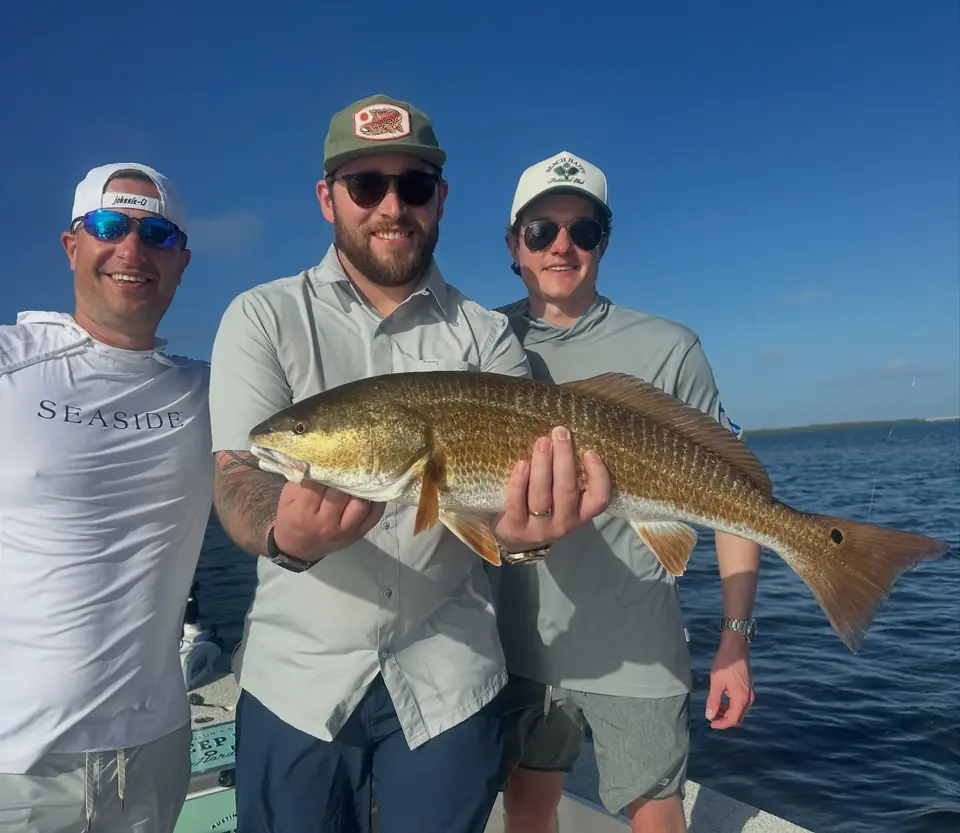
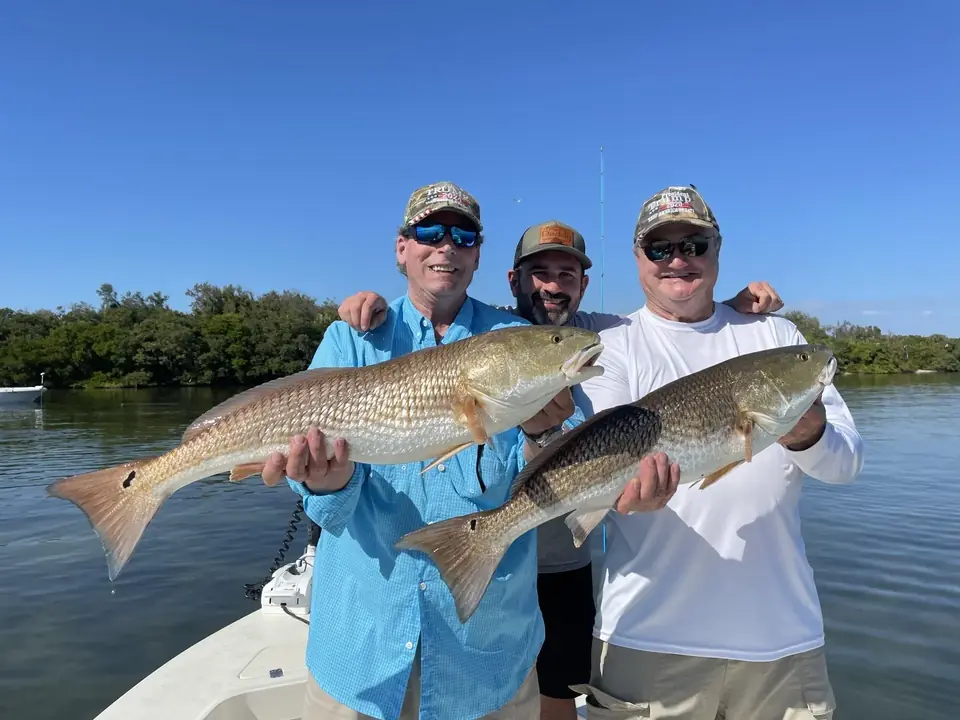
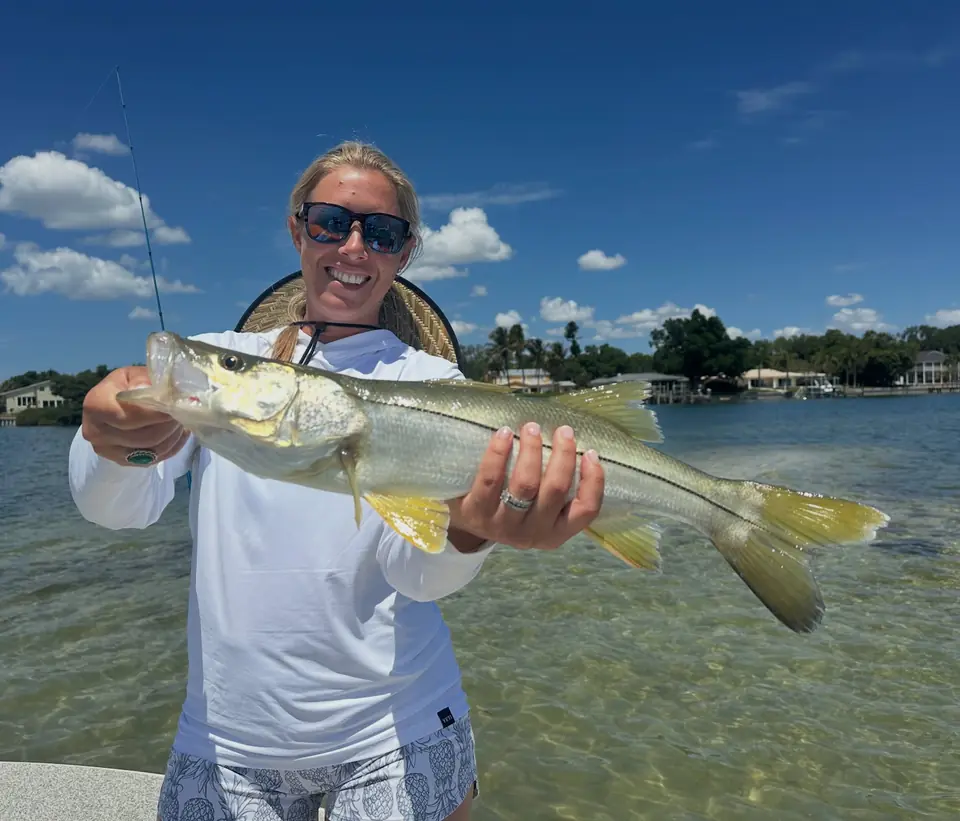
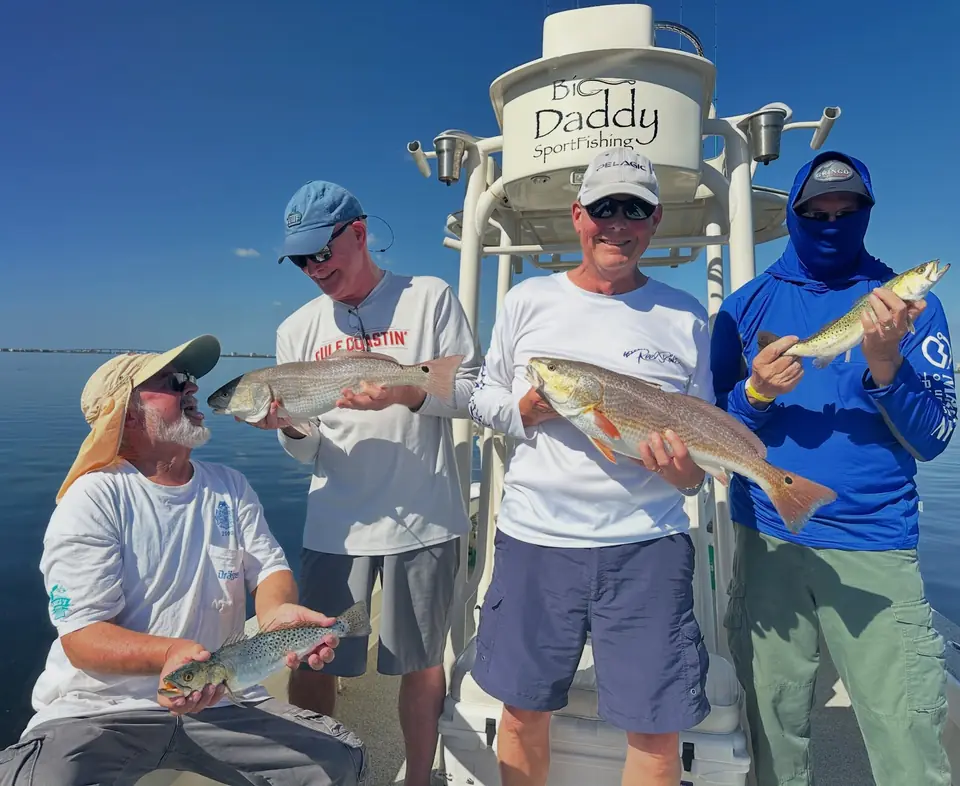
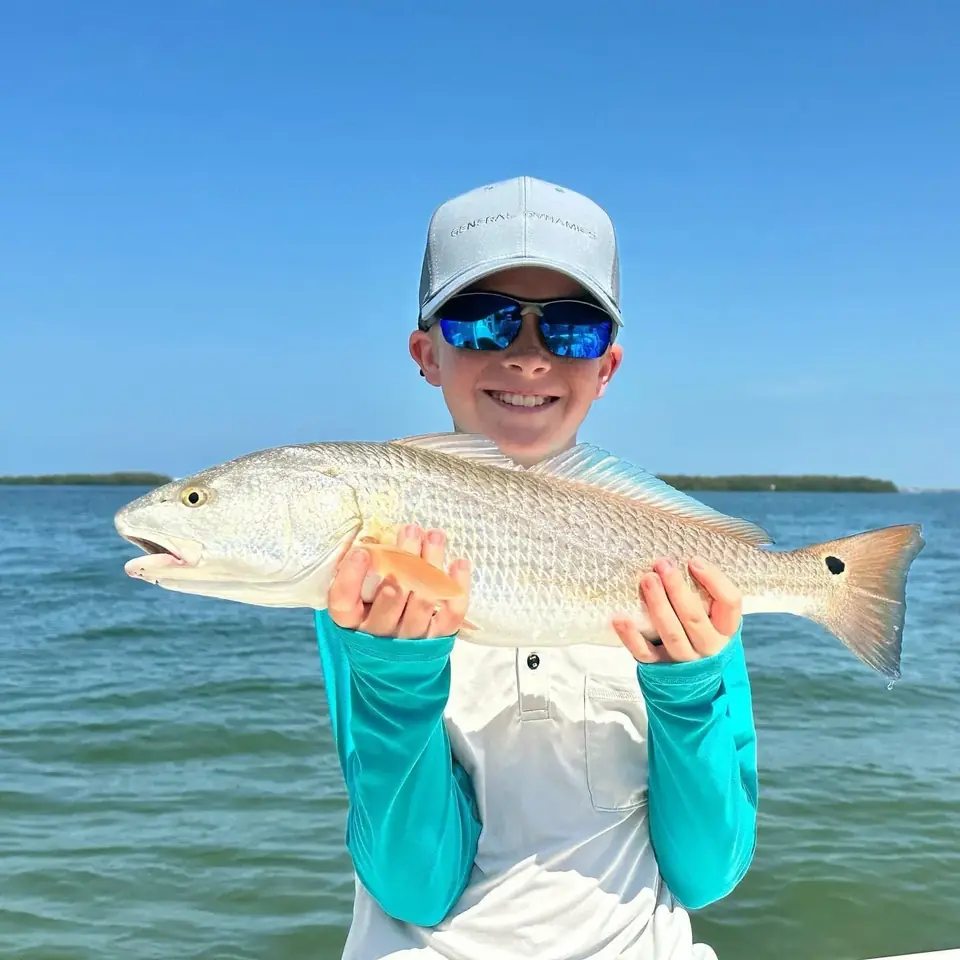
Inshore fishing takes place in bays, flats, estuaries, and mangroves. These calm waters offer steady action and frequent bites, making them ideal for beginners and families. Common catches include Snook, Redfish, Speckled Trout, Flounder, and Jack Crevalle. Sight casting in shallow water adds to the excitement, and the smoother conditions make for a comfortable trip.
Nearshore fishing happens a few miles off the coast in deeper water. It targets larger species like Cobia, Sharks, Kingfish, and seasonal Tarpon. These fish require heavier gear and more effort, offering a more challenging experience. The pace can vary, but the reward is often bigger, stronger fish.
While nearshore waters can be slightly rougher, they still offer a manageable and exciting step up from inshore fishing.
Which Fishing Experience Offers More Action?
Inshore fishing generally provides more consistent action throughout the day. The density of fish in shallow waters means you are more likely to get frequent bites, even if the fish are smaller on average.
Nearshore fishing can feel less predictable. There may be slower periods, but when action happens, it often involves larger and more powerful fish. The trade-off is fewer bites for potentially bigger rewards.
If your goal is to stay engaged from start to finish, inshore trips are often the better choice. If you are comfortable with some waiting in exchange for bigger catches, nearshore fishing delivers that opportunity.
What Types of Fish Can You Catch in Each Environment?
The species you target should play a major role in your decision. Inshore and nearshore waters around Saint Petersburg support very different ecosystems, which directly affect what you can catch.
Inshore fishing focuses on:
- Snook
- Redfish
- Speckled Trout
- Flounder
- Jack Crevalle
These species are known for aggressive strikes and strong runs in shallow water. They are also available throughout much of the year, which makes trip planning easier.
Nearshore fishing opens the door to:
- Tarpon (seasonal)
- Cobia
- Sharks
- Kingfish
These fish are larger and often migrate through the area based on water temperature and bait movement. Timing plays a bigger role, especially for species like Tarpon, which peak from late spring through summer.
Understanding what you want to catch helps narrow your decision quickly. Many anglers even plan multiple trips to experience both styles.
Is Inshore or Nearshore Fishing Better for Beginners?
Inshore fishing is usually the better starting point for beginners. The calmer waters, lighter tackle, and steady action create a more comfortable learning environment. It allows new anglers to focus on technique without dealing with rough conditions or heavy gear.
We often recommend inshore trips for families and first-time anglers. The shorter runs and consistent bites help build confidence quickly. Kids, in particular, tend to enjoy the faster pace and frequent catches.
Nearshore fishing can still work for beginners, but it depends on comfort level. The water can be less predictable, and the fish require more strength and technique to land. For those who want a challenge right away, it can be a rewarding option.
How Do Weather and Water Conditions Affect Your Choice?
Weather plays a major role in determining which trip is the right fit. Inshore waters around Tampa Bay are more protected, which means they remain fishable even when winds pick up.
Nearshore trips are more sensitive to conditions. Wind and waves can make the ride less comfortable and may limit where you can fish. This does not mean nearshore trips are unreliable, but flexibility is important.
If you are visiting the Tampa area with a tight schedule, inshore fishing offers more consistency. If you have flexibility and want the chance at larger fish, nearshore trips can be worth the gamble when conditions are favorable.
What Does a Typical Day Look Like on Each Trip?
A typical inshore trip starts with a short ride to nearby flats or mangroves. From there, we move between spots based on tide, bait activity, and fish movement. Casting is frequent, and the action can start quickly.
You may switch techniques throughout the day, using live bait, artificial lures, or sight casting, depending on conditions. The variety keeps the experience dynamic and engaging.
Nearshore trips begin with a slightly longer run out of the bay. Once we reach reefs or structure, we may anchor or drift. The focus shifts to deeper presentations and stronger gear.
The pace can feel slower at times, but every strike has the potential to be memorable. Fighting a larger fish in open water requires patience and effort, which adds to the sense of accomplishment.
When Is the Best Time of Year for Each Experience?
Inshore fishing remains productive year-round in the Tampa area. Seasonal changes affect which species are most active, but there is always something to target.
Spring and fall are especially strong for variety, while summer brings excellent Snook and Redfish action. Winter can still be productive, with Trout and other species filling the gap.
Nearshore fishing is more seasonal. Tarpon runs are a major highlight from late spring into summer, drawing anglers from across the country. Other species like Cobia and Kingfish follow migration patterns tied to water temperature.
Planning your trip around these seasonal patterns helps maximize your chances of success. We often adjust locations and techniques based on what is moving through the area at the time.
How Do You Choose the Right Charter in Tampa?
The right charter makes a significant difference in your experience. Knowledge of local waters, fish behavior, and seasonal patterns can turn a slow day into a productive one.
We focus on adapting each trip to the angler. Some want to target a specific species, while others prefer a mix of action throughout the day. Clear communication before the trip helps set expectations and ensures the right approach.
Experience also matters when conditions change. Reading tides, adjusting bait, and moving between spots are decisions that come from time on the water. This is especially important in a diverse fishery like Tampa Bay.
Why Do Many Anglers Try Both Inshore and Nearshore Trips?
Many anglers start with one style and quickly become curious about the other. The contrast between shallow water action and open water challenges adds variety to the overall experience.
Inshore trips often build confidence and skill. Nearshore trips then provide a new level of excitement with larger fish and different techniques. Together, they offer a complete view of what the Tampa area has to offer.
We often see returning clients book a second trip to explore the other option. It keeps the experience fresh and allows them to target a wider range of species.
FAQs About Inshore vs Nearshore Fishing in Tampa
Which is better for catching big fish in Tampa?
Nearshore fishing generally offers better chances at larger fish. Species like Tarpon, Cobia, and Sharks are more common in deeper waters just outside the bay. Inshore fishing still produces strong fighters, but they are usually smaller on average.
Is inshore fishing worth it if I want variety?
Yes, inshore fishing is one of the best options for variety. You can target multiple species in a single trip, often switching locations and techniques throughout the day. This keeps the experience active and engaging.
How far offshore is nearshore fishing in Tampa?
Nearshore fishing usually takes place within a few miles of the coastline. It stays relatively close to land while still accessing deeper water and structure. Travel time is short compared to offshore trips.
Can kids join both types of fishing trips?
Kids can enjoy both, but inshore fishing is often the better starting point. The calmer waters and steady action make it easier for younger anglers to stay engaged. Nearshore trips may suit older kids who are comfortable with a bit more movement.
Do I need experience for nearshore fishing?
No prior experience is required, but it helps to be prepared for a more physical challenge. Nearshore fishing involves heavier gear and larger fish, which can require more effort to handle.
Choosing the Right Fishing Experience in Tampa
Inshore fishing offers steady action, variety, and a comfortable setting, while nearshore fishing delivers larger fish and a stronger challenge. The right choice depends on your goals, experience, and the kind of day you want on the water.
At Big Daddy Sportfishing, we guide anglers through both experiences across Tampa Bay and nearby waters. Book your trip with us and let us help you choose the best inshore or nearshore fishing experience in Tampa.